DoorDash support
company
doordash
my role
product design lead
year
2025
timeline
6 months
context
In my role as the Support Design Lead at DoorDash I have hybrid responsibilities around leading the team and the high-level design strategy of the support pod, as well as acting as an individual contributor for the highest impact projects and initiatives.
Each day over 380,000 people contact DoorDash support.
Our main objective as support designers is to create delightful experiences and efficient tooling that balances helping DoorDash Consumers, Dashers and Merchants have an incredible support experience while also maintaining efficient cost metrics for the business.
In this case study, I highlight the vision our team created for the DoorDash support ecosystem and some early wins we’re seeing as we have moved to an AI driven support approach. My team is currently working on aligning these concepts as we transition to be a global support design team and align our support experiences across DoorDash, Wolt, and Deliveroo.
design sprint
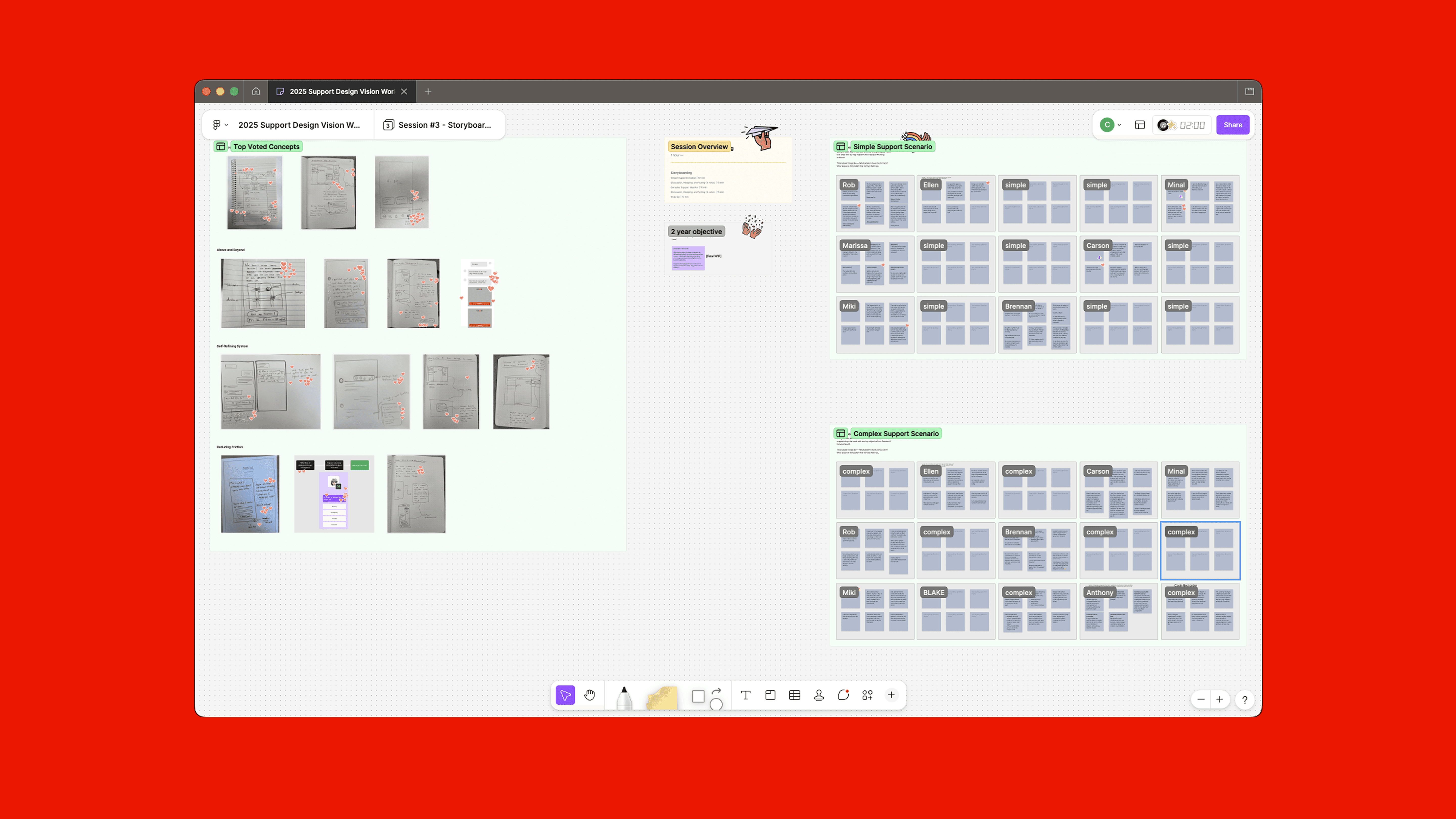
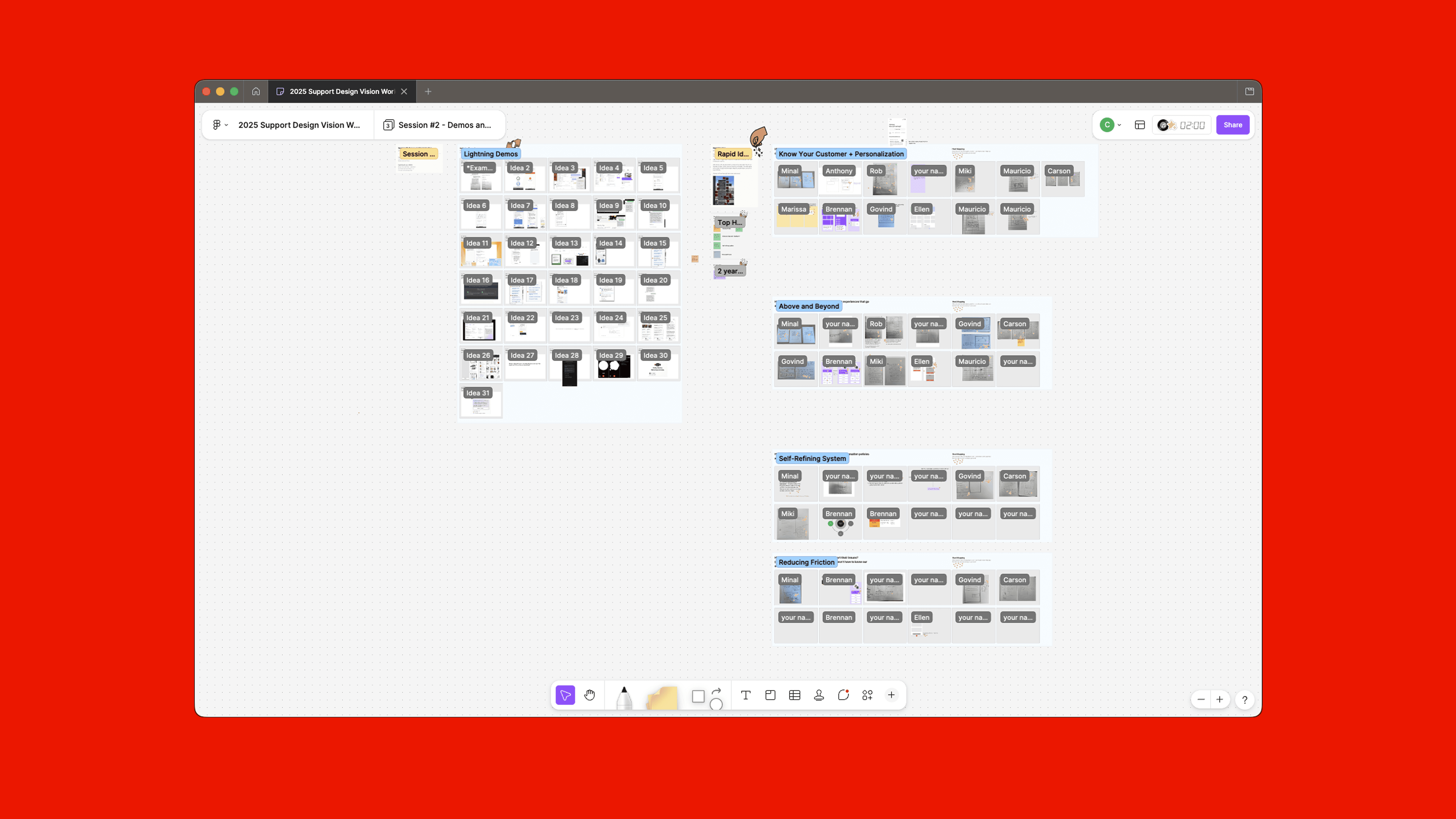
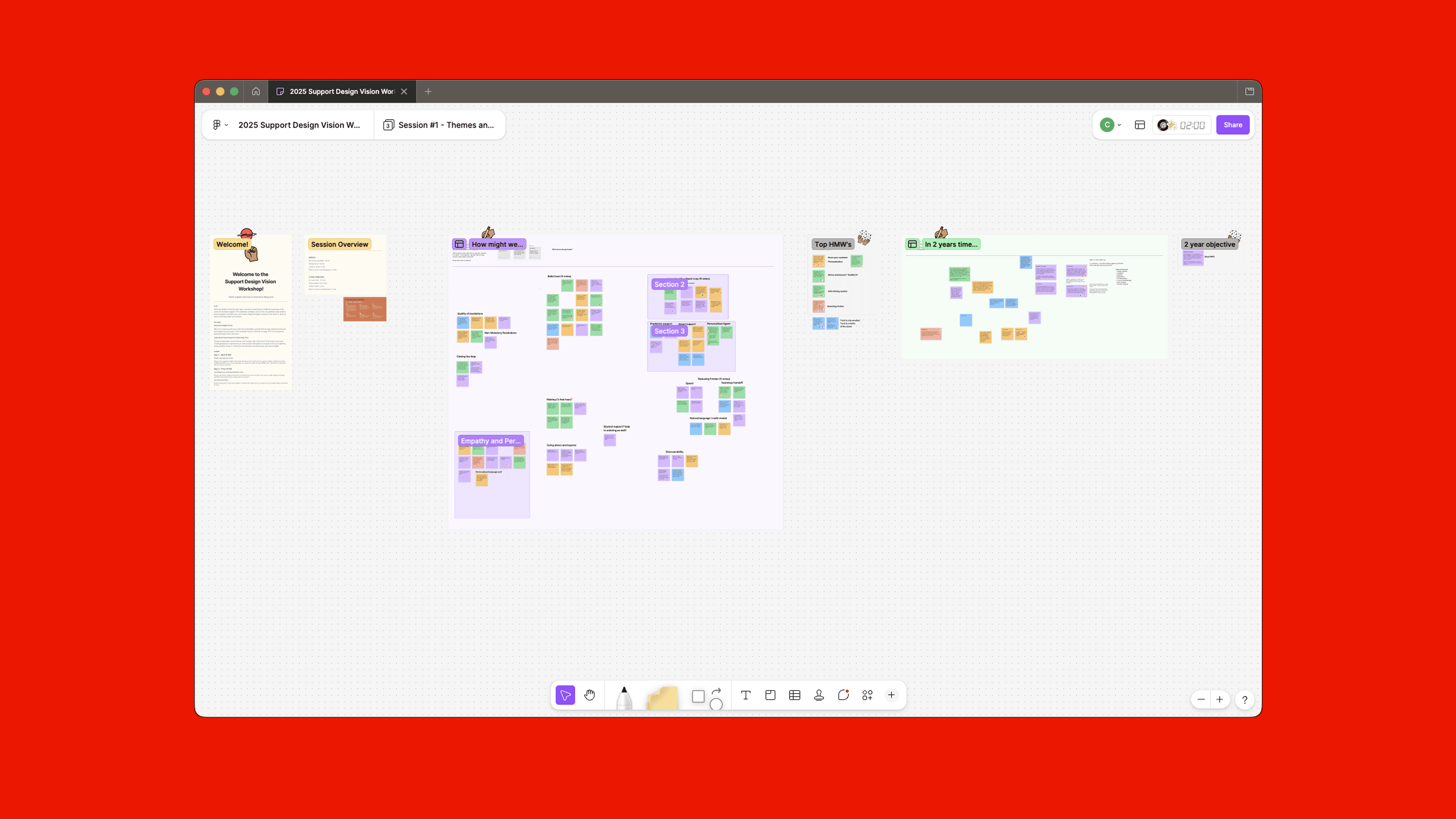
I organized and ran a week-long design sprint with top stakeholders from design, product, engineering, and operations to create divergent concepts for new support experiences and tooling, and to ultimately converge on a single narrative for what DoorDash support would look like in an AI first world.
Our team went through various exercises, fueled by powerful research previously done by our research team, to identify key insights and focus our vision sprint on the most important user problems to solve.
developing a vision
Following our design vision sprint, I led my small team of designers in building higher fidelity prototypes and designs for the core concepts of the new Support vision.
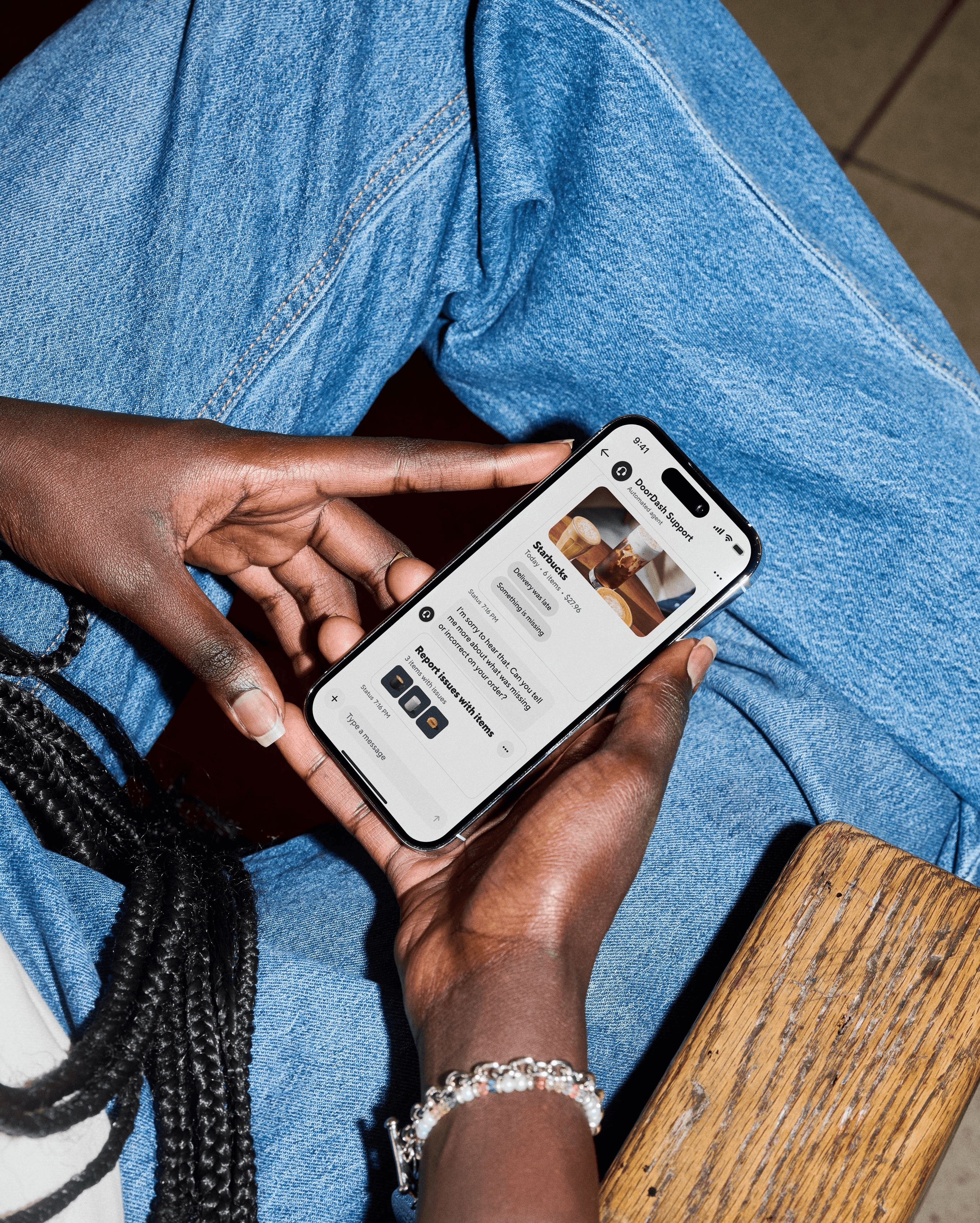
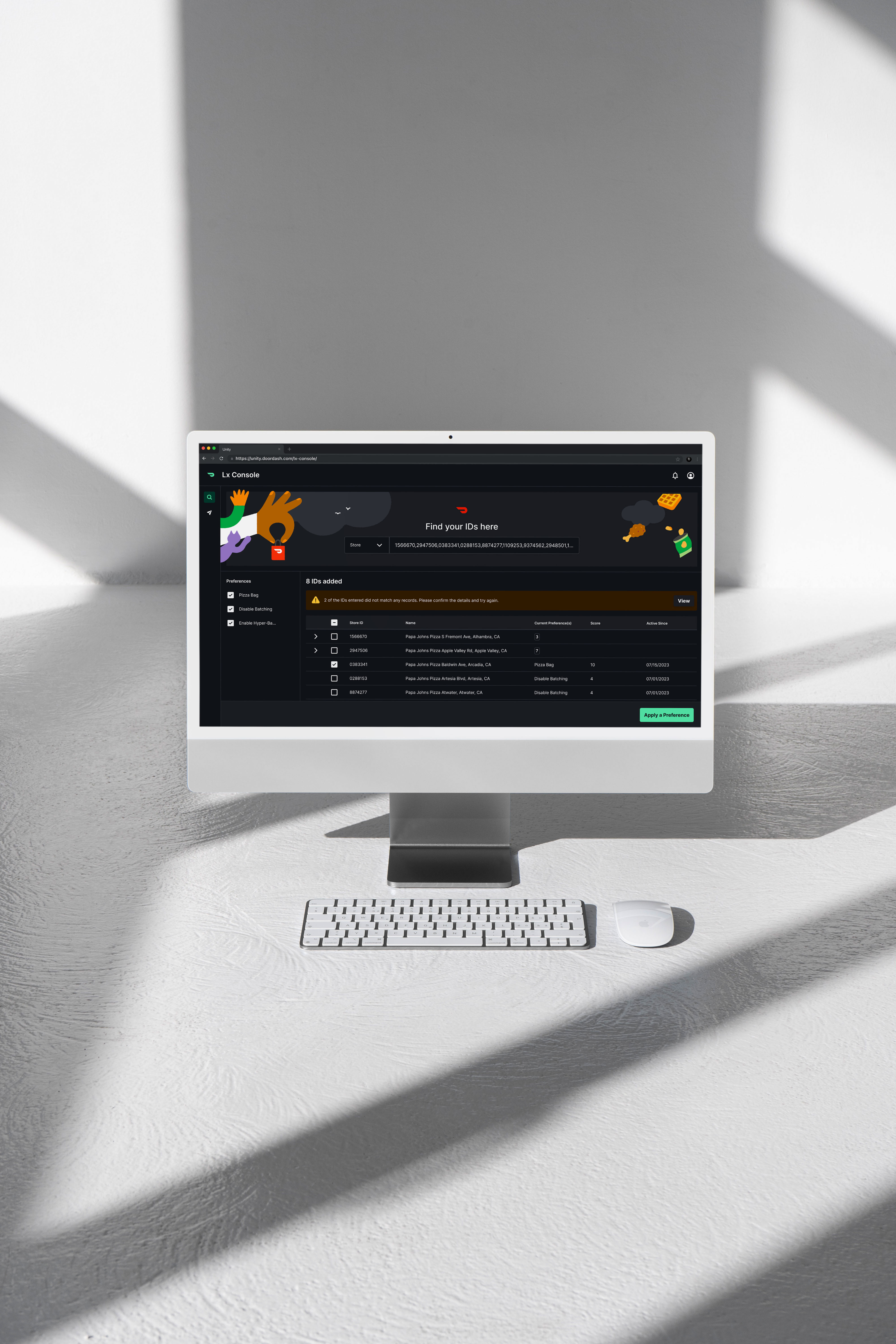
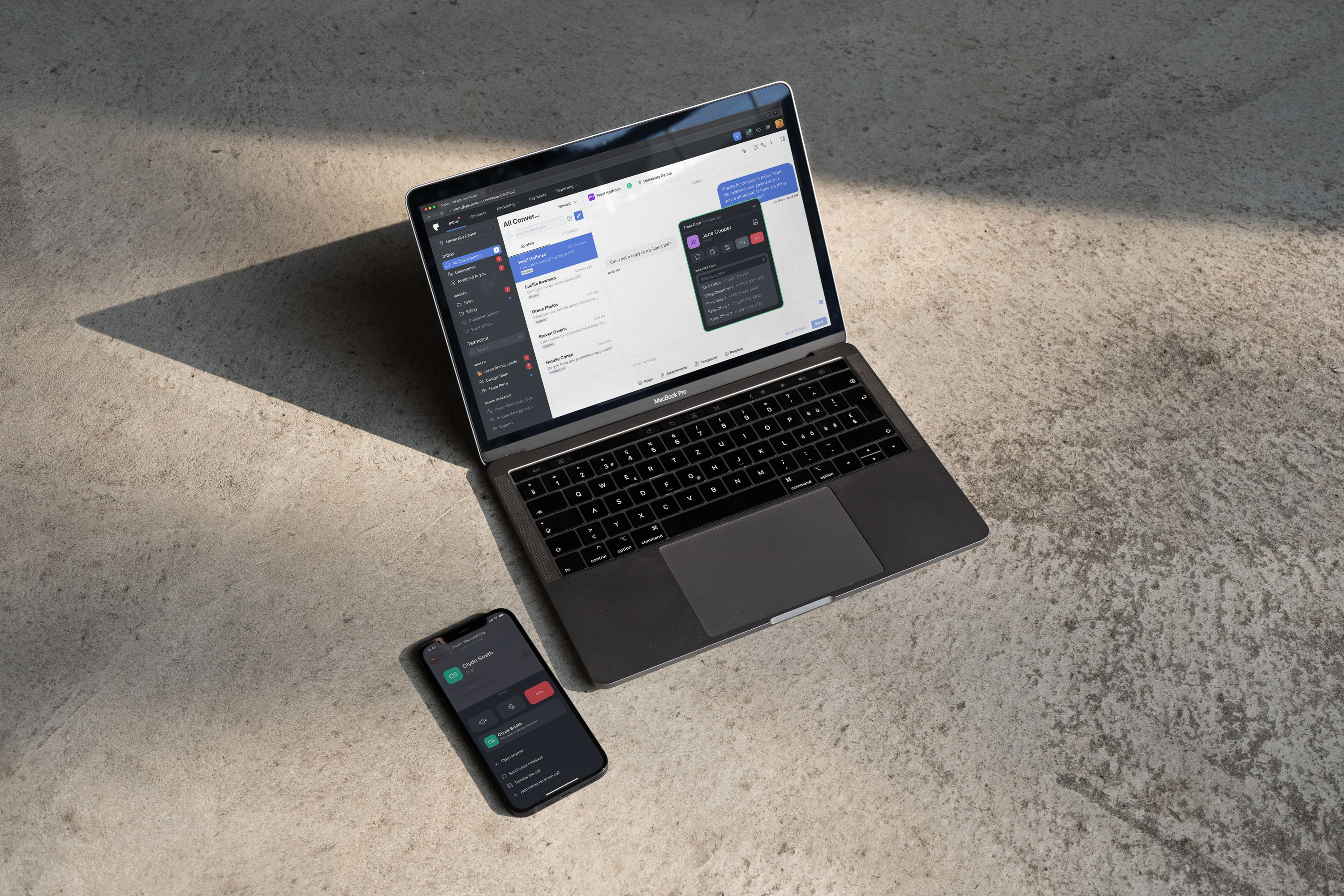
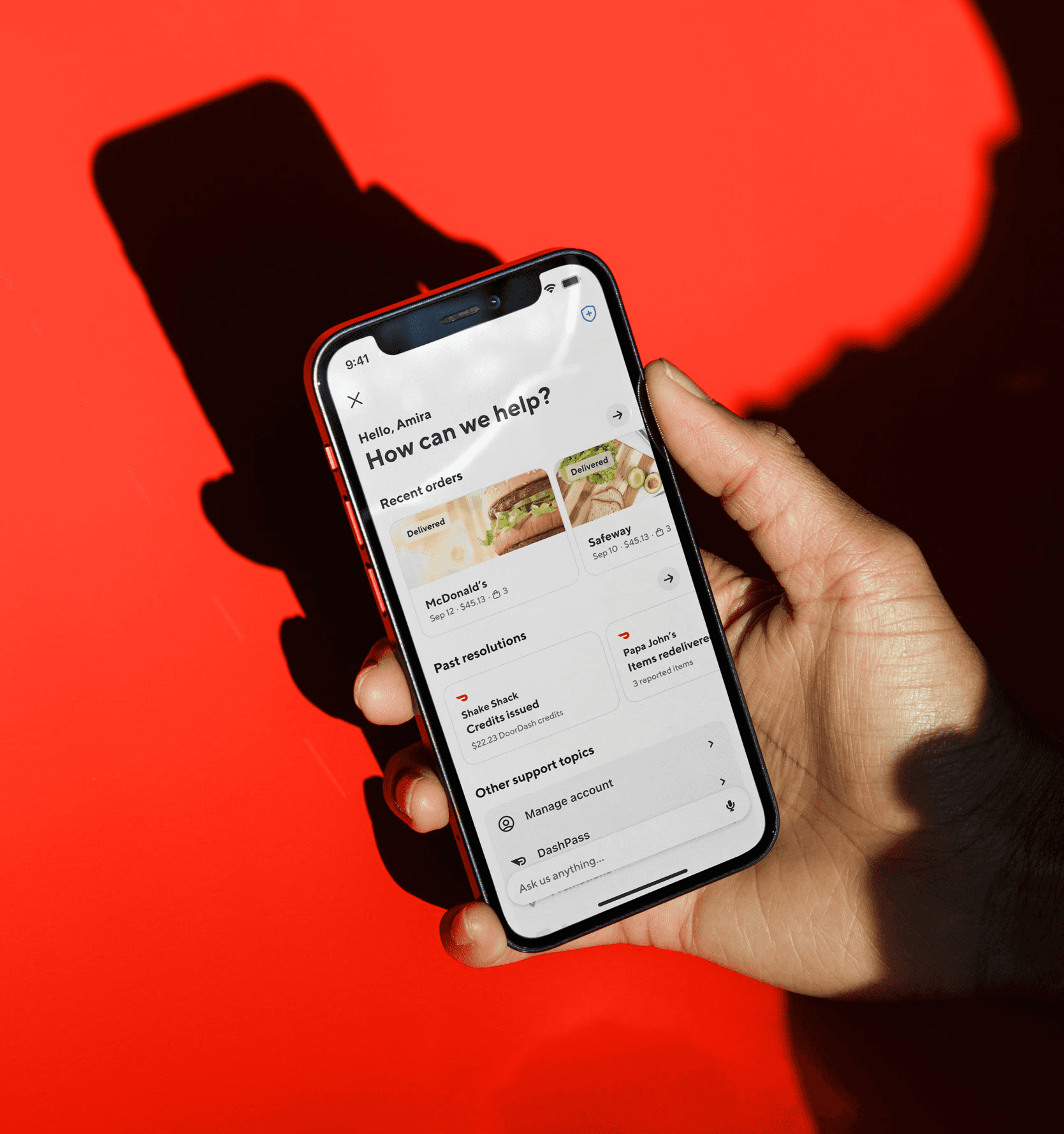
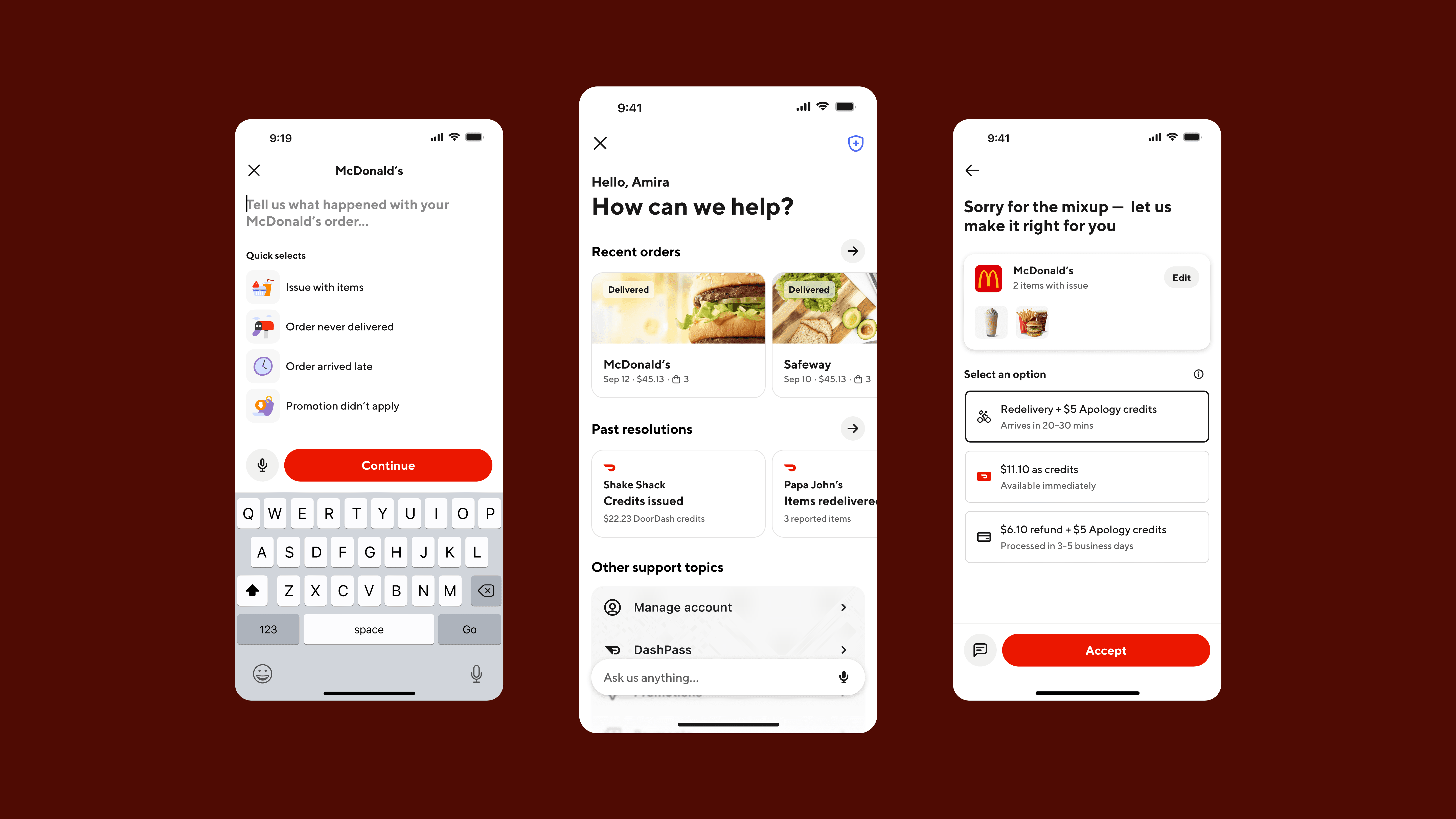
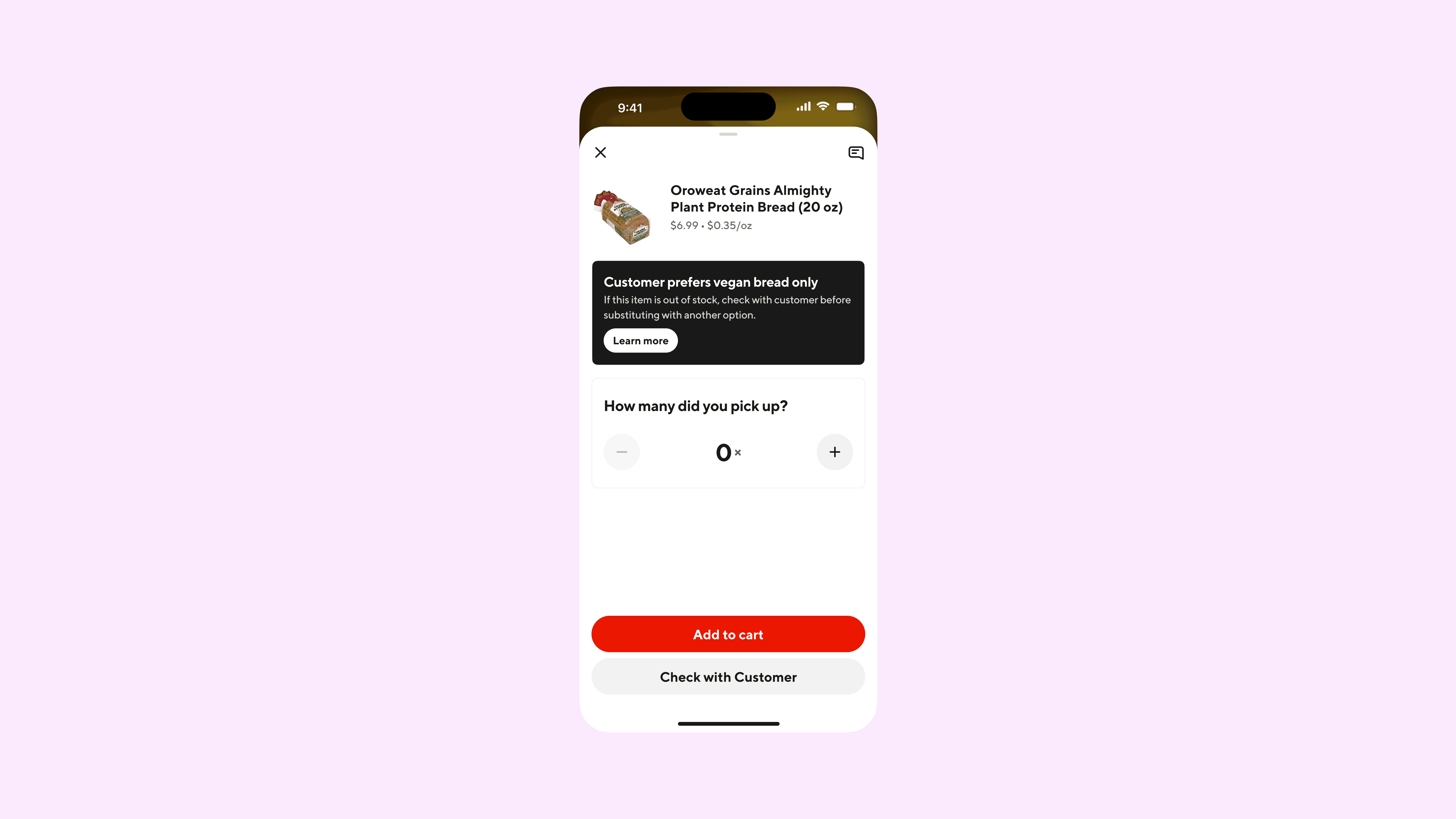
We explored new concepts around a consumer support hub, innovative chat experiences, new ways for agents to manage cases and communicate with customers, and exciting new tooling concepts that created powerful feedback loops for improving AI support agents.

from service to hospitality
The driving principle behind the new Support vision was this idea of moving from service to hospitality.
We defined true hospitality as an experience where customers can simply tell us their issues and DoorDash does all the work.
Automated conversations should feel natural, have memory, and proactively loop in humans when necessary, and resolutions are largely preventative and are customized to the individual consumer.
ai support experience and system
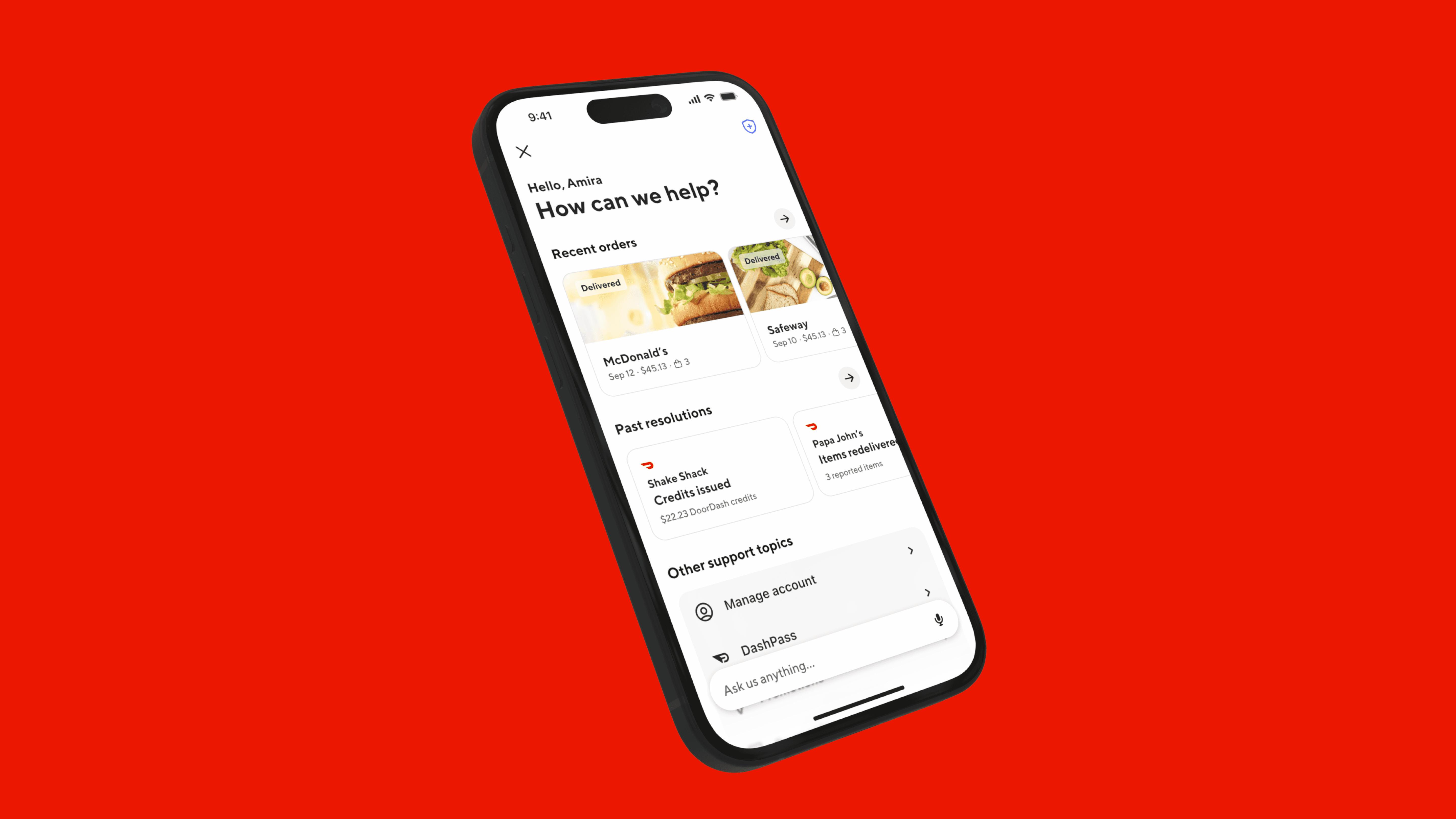
This idea of true hospitality blended very well into an AI driven chat based support experience where consumers had the freedom to express the issues they were facing in their own words and get resolutions that worked specifically for them.
We focused on three core surfaces: support hub, chat, and agent tooling.
I led the design of these new vision concepts, and crafted the final narrative that we ultimately presented to the executive team. In short, they loved it and were excited to pursue this over the next few years.
early results
The new vision for DoorDash Support was broad and spanned all teams within the support product pod. Meaningful impact was seen as the teams across the support pod adopted these vision concepts to their 2025 and 2026 road maps, and they are being used as the foundation for our new global support design efforts as we align DoorDash, Wolt, and Deliveroo support.
We have also completed small experiments to test core concepts, such as allowing consumers to just tell us their issues and have seen tremendous impact for both consumer satisfaction and efficiency as well as for DoorDash.
Some key impact metrics so far:
100% issue coverage for flexible consumer reporting
Going from 60% to 90% accuracy in issue categorization
72% reduction in consumer friction when reporting item level issues
Large scale cost savings for DoorDash
special thanks to
Design: Miki Setlur, Kara Fong, Govind Lingam, Ellen Chen, Brennan Martin, Michelle Li, Mohammed Morsi, Henry Cruickshank, Rachel Hoskins, Marisa Coren
Product: Mauricio Steinbruch, Robert Halpin, Andrew Lisy, Nelly Daniel, Milosz Zarycki
Engineering: Anthony Tran, Hui Luan, Martin Wang, Gisselle Xie, Tarandeep Singh
Research: Minal Jain, Juliette Hainline