podium phones
company
podium
my role
senior product designer
year
2022
timeline
4 months
Context
Podium Phones was a zero-to-one product that I led from early discovery through vision and validation. The goal was to build a modern business phone system deeply integrated into the Podium messaging platform.
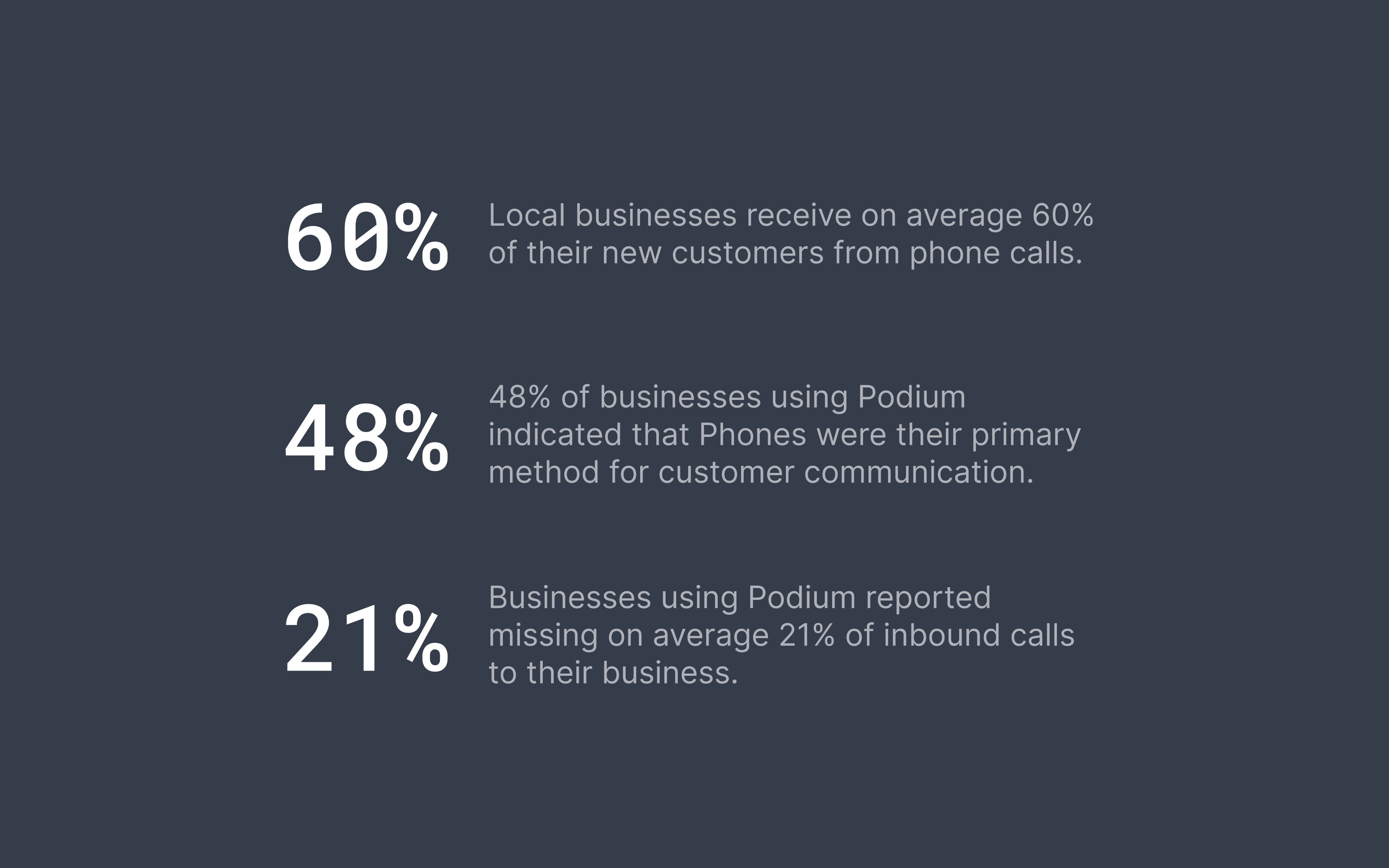
The opportunity was obvious. Local businesses receive roughly 60% of new customers from phone calls. 48% of Podium customers said phones were their primary communication channel. Yet businesses were missing an average of 21% of inbound calls.
At the same time, customers increasingly valued speed and convenience. Many preferred texting over calling. If Podium’s mission was to power 100% of customer communication, messaging alone wasn’t enough.
Phones weren’t just a feature expansion. They were a strategic necessity.
understanding our users
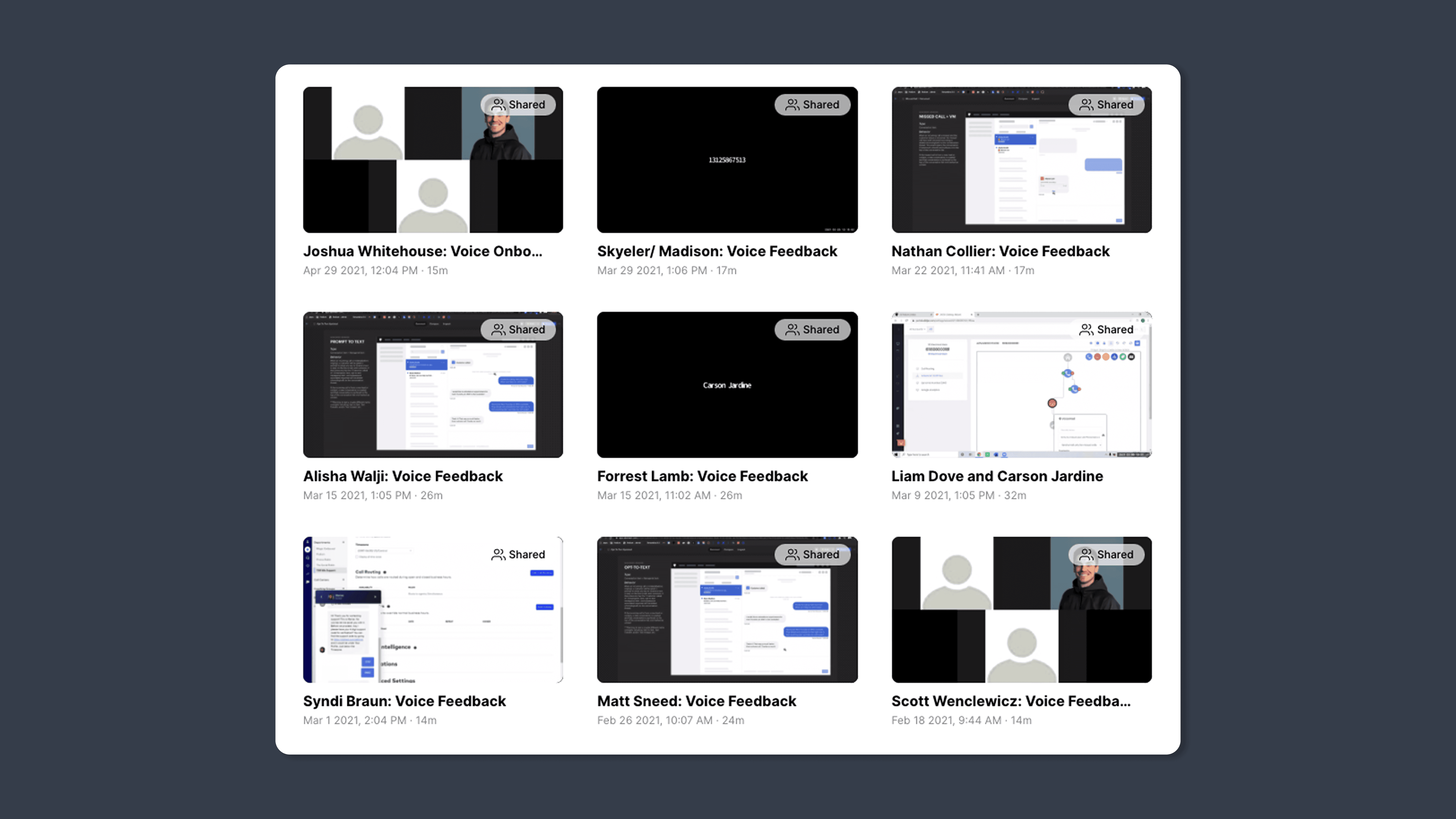
I led the research effort to deeply understand how businesses actually used phones. We conducted 45 discovery interviews and surveyed approximately 1,500 local businesses.
Three clear archetypes emerged. Desk employees like receptionists and office managers. Mobile technicians working in the field. Sales floor employees operating in centralized locations but not tied to desks.
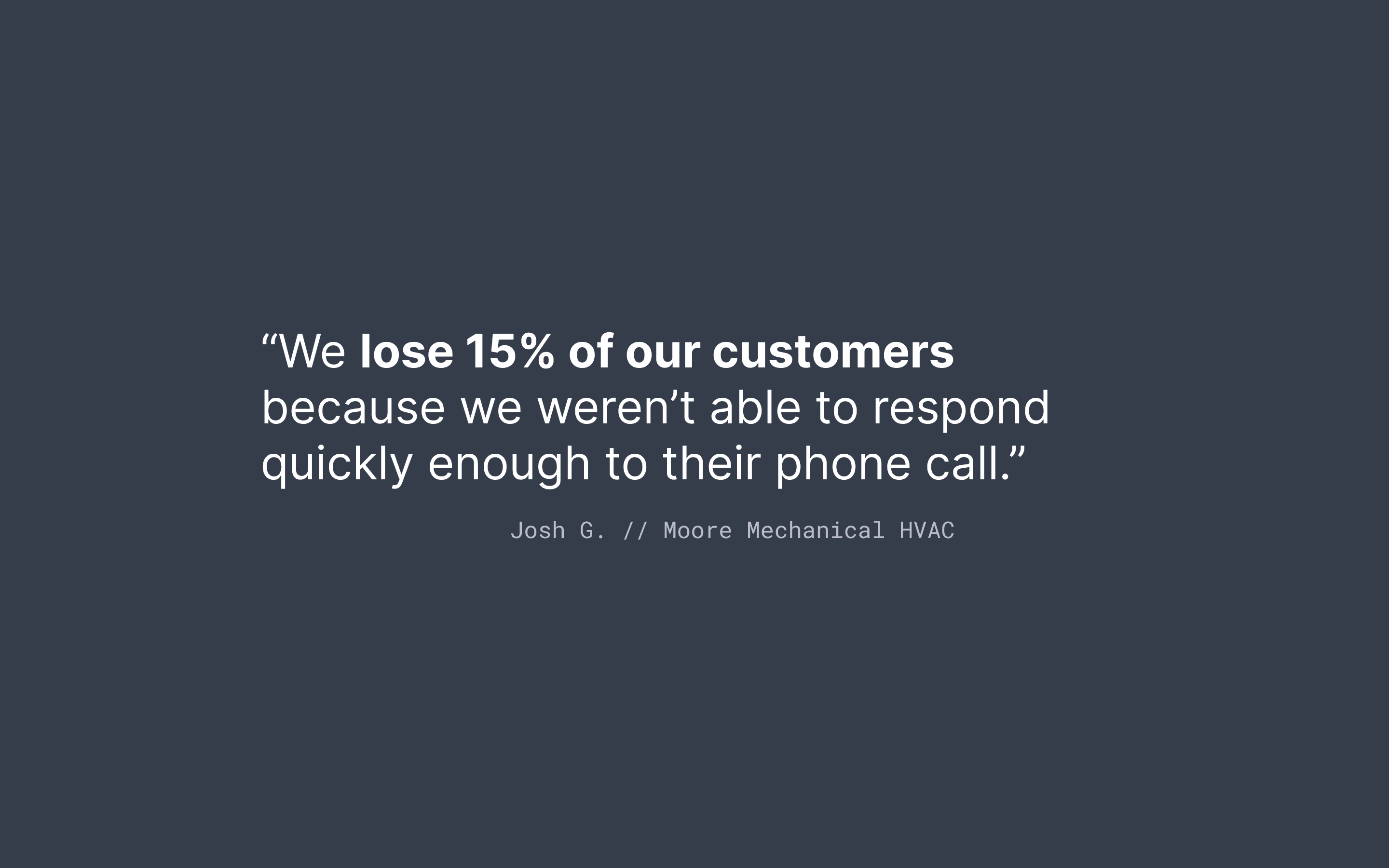
Across all segments, the patterns were consistent. Businesses relied on a mix of desk phones and personal mobile devices. Texting reduced call volume and improved responsiveness. Missed calls and voicemails were frequently lost or never returned. Context rarely carried across channels.




exploring and experimenting
Rather than immediately build a full phone system, we de-risked the opportunity through incremental experiments.
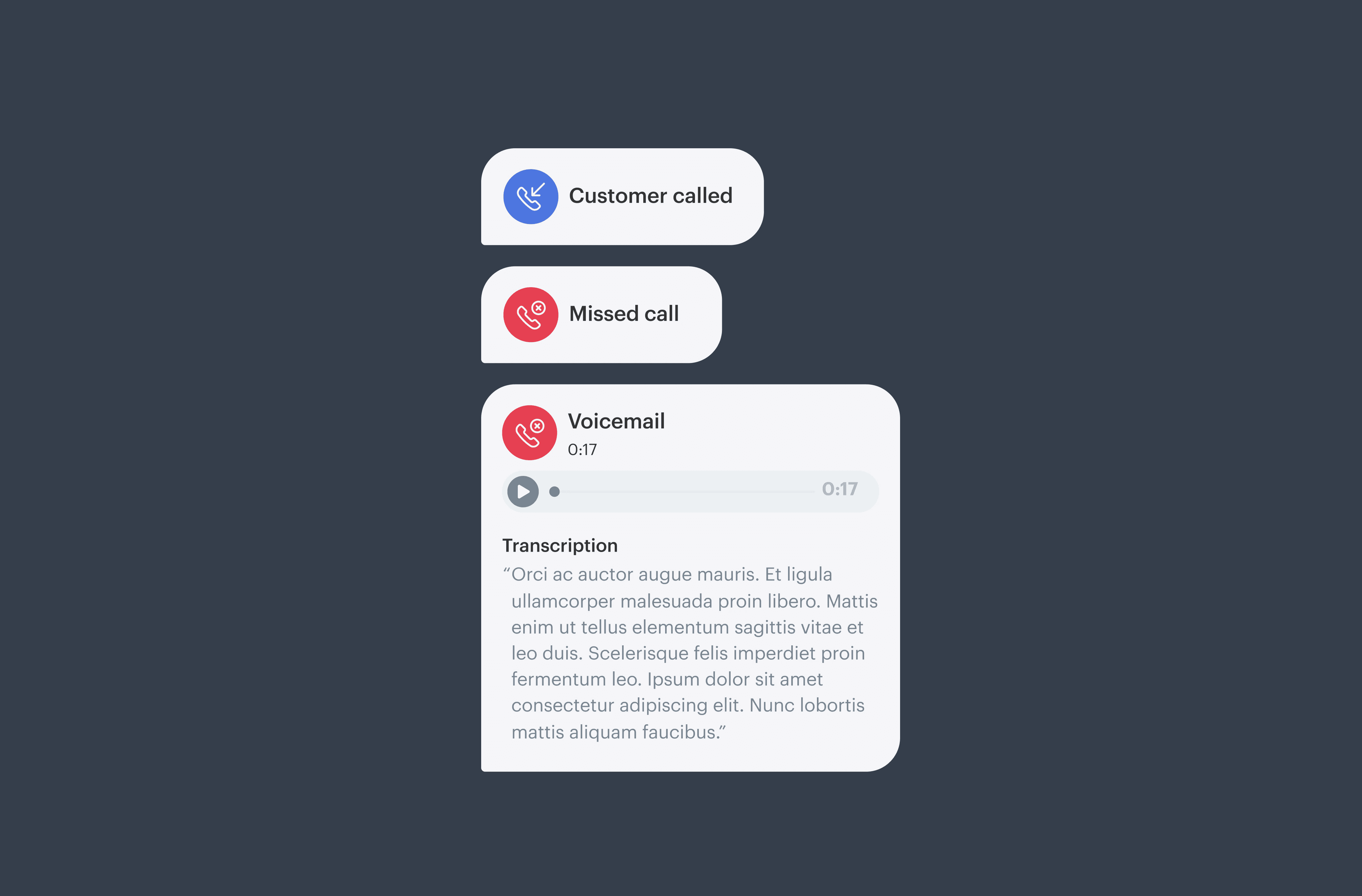
We introduced missed call forwarding into the messaging platform, allowing callers to opt into texting instead of waiting on hold. We embedded call events directly into customer conversations to preserve context.
Adoption was strong. Over 2,100 businesses enabled missed call forwarding. 19.3% of missed calls and voicemails were responded to via text. 10% of callers chose to text instead of staying on a call. In just two months, we processed more than 1 million calls.
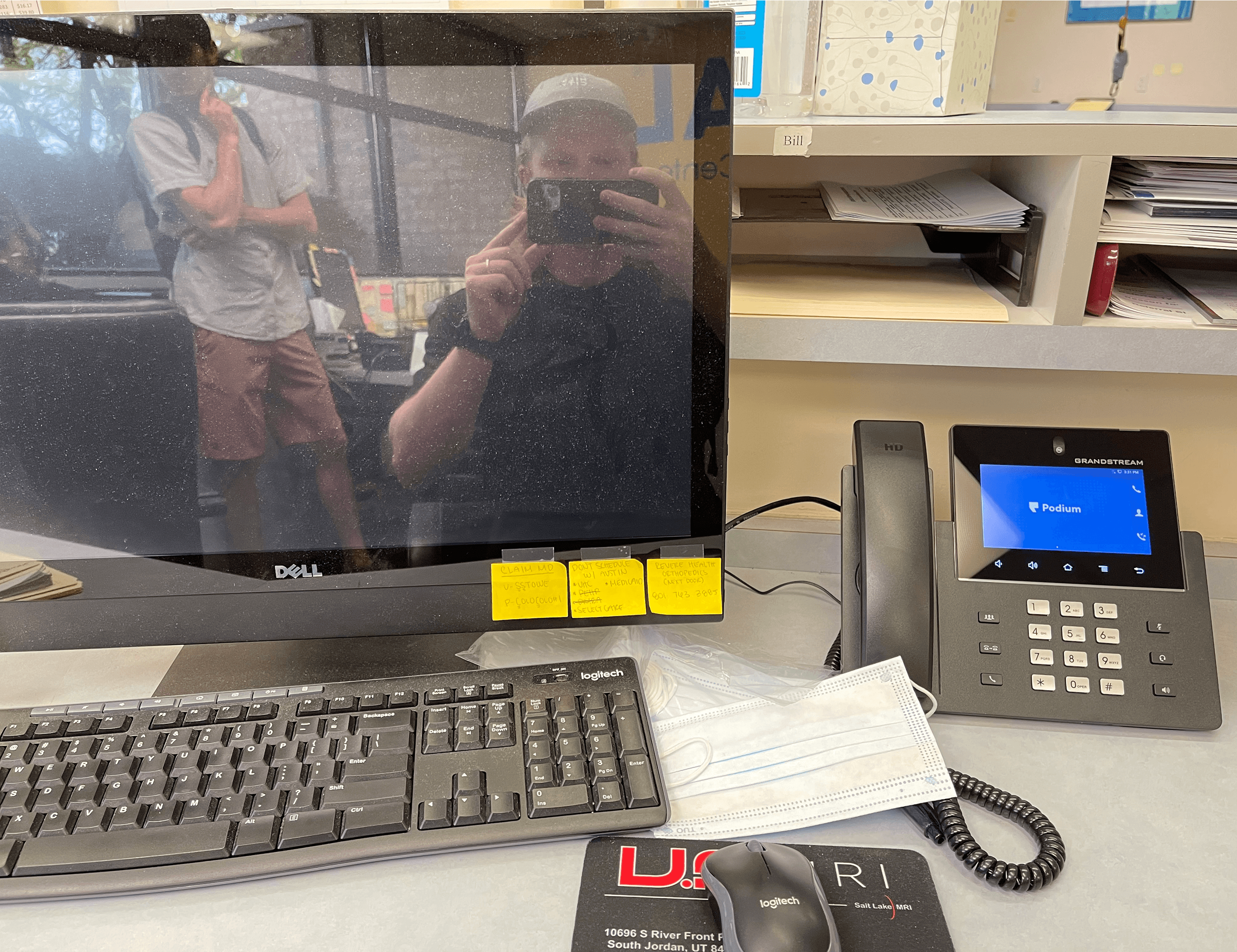
We then launched a physical desk phone beta, porting numbers and installing hardware for 20 businesses who made Podium their primary phone system. This validated both demand and operational feasibility.
Developing a vision
In parallel with experimentation, I partnered closely with executives and cross-functional leaders to define the long-term vision for Podium Phones. We aligned around three principles:
Flexibility. Phones should work for all of our customers in any industry and scale easily.
Intuitiveness. Businesses should be able to fluently use Podium phones from day one.
Innovation. Podium should develop new features to create the future of business phones.
We weren’t building another VoIP provider. We were redefining business communication inside the Podium platform.
podium phones
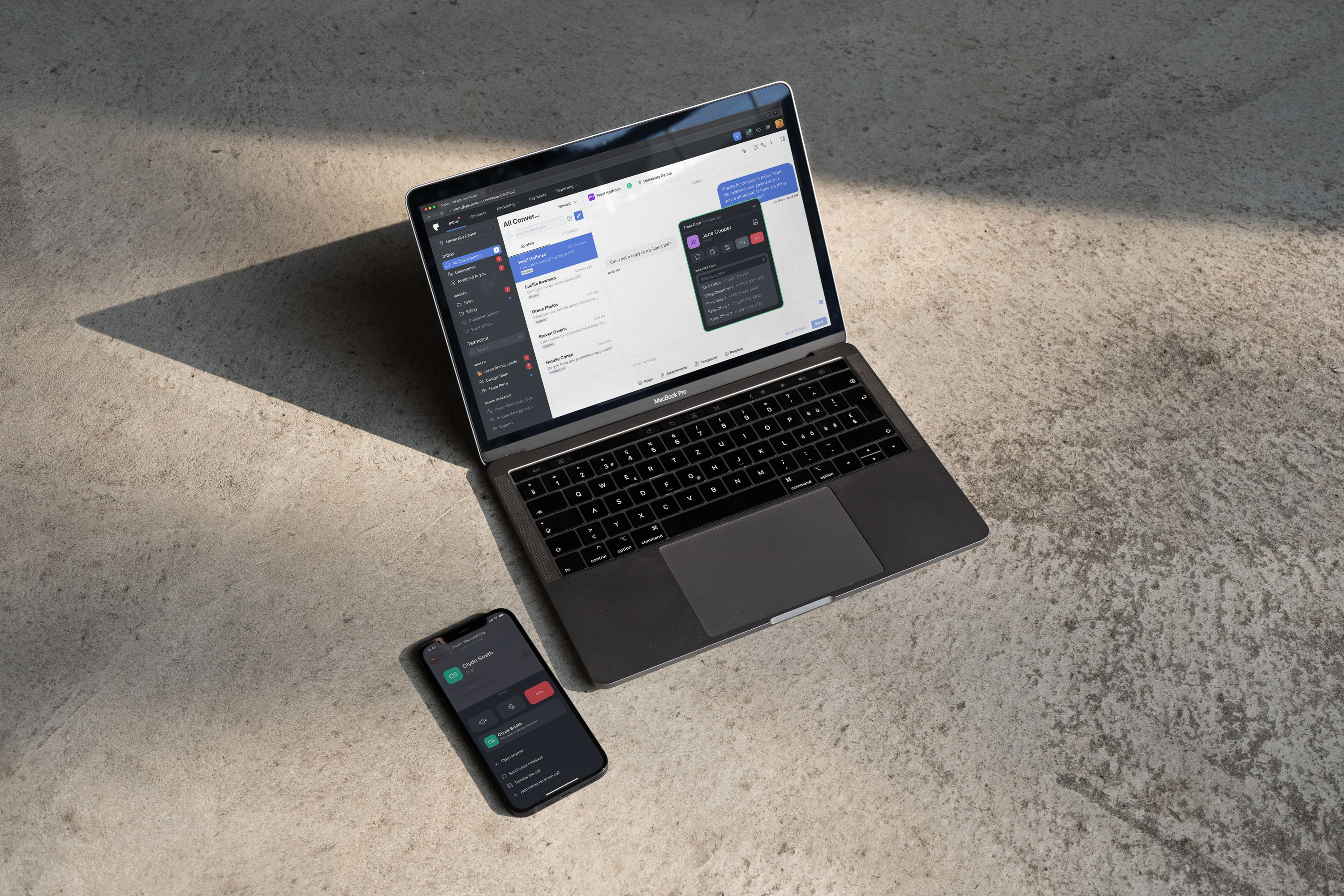
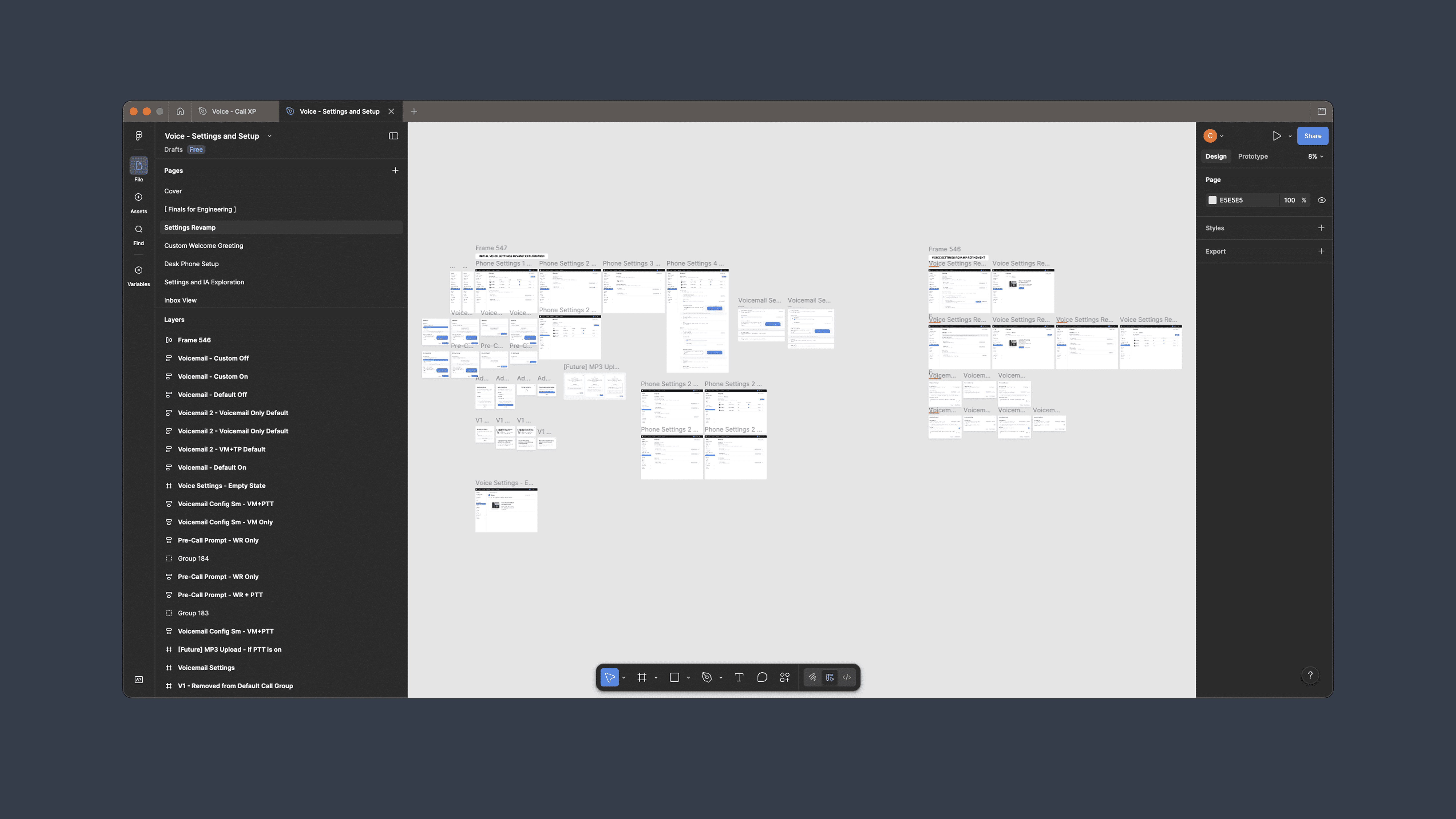
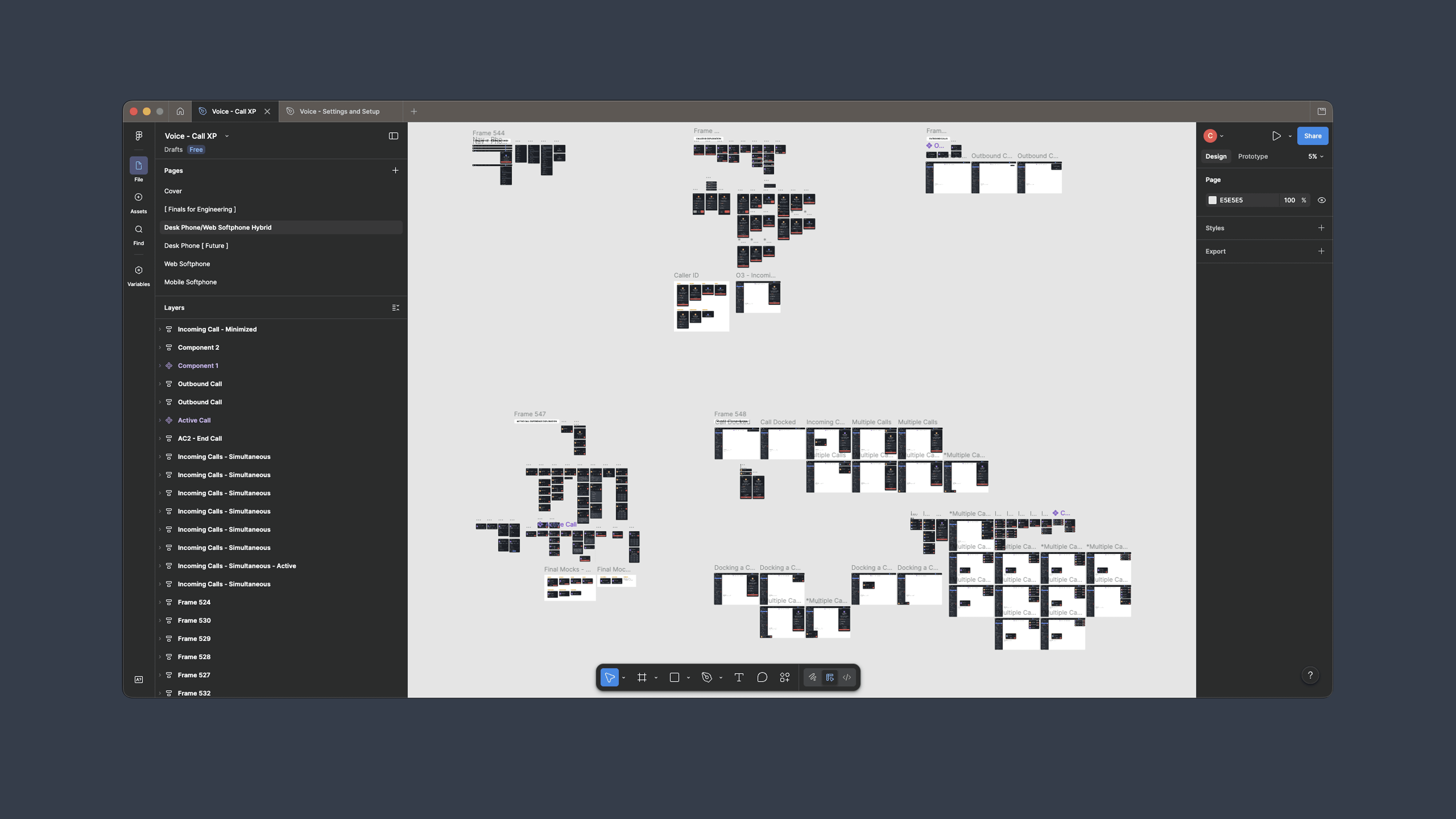
The final solution delivered a fully integrated, multi-platform phone system embedded within Podium.
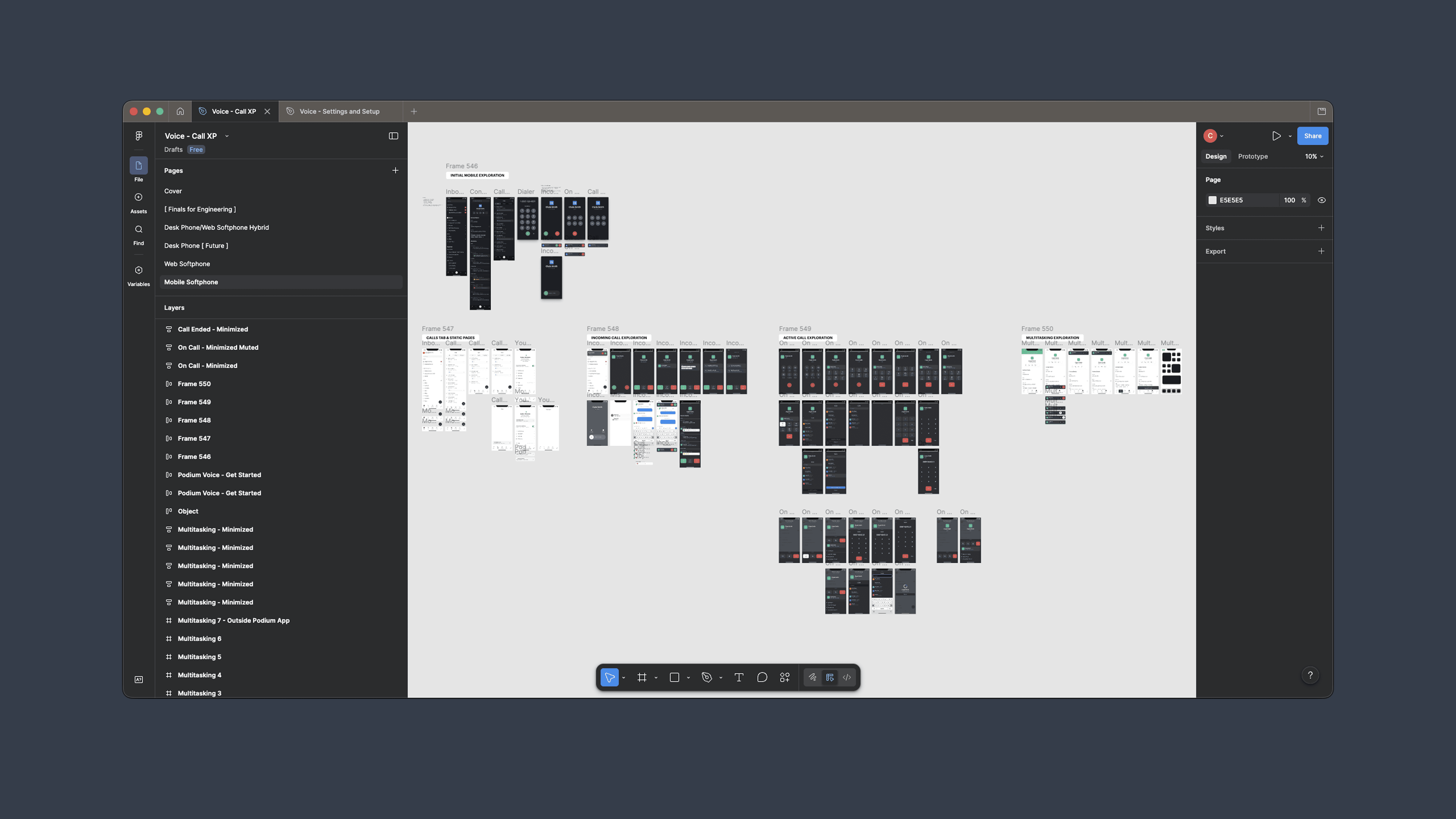
A web softphone gave desk-based teams a flexible calling experience inside the Podium web app. A streamlined mobile app supported technicians and on-the-go workflows. A dedicated desk phone app functioned independently while retaining full customer context from the platform.
Voice and messaging were no longer separate systems. They became one unified communication layer.
results
Although I left prior to general release, early signals showed strong traction and strategic impact.
Businesses gained flexible phone systems that reduced missed opportunities and scaled with their operations. Customers could seamlessly choose voice or text. Podium moved materially closer to powering 100% of customer communication.
Today, Phones has moved from Beta to being a core product offering within the Podium platform. https://www.podium.com/product/phones
special thanks to
Product: Ryan Reeves, Richie Hoffman
Eng: Trevor Fenn, Emma Hoggan, Jason Butterfield, Andrew Jensen, Jeff Chapman
Strategy: Robert Potts